

Ever walked into a room and felt an instant wow—without knowing exactly why? Chances are, an accent wall was doing the heavy lifting. Accent walls are one of the easiest and most budget-friendly ways to add personality, depth, and style to a space without repainting the entire room.
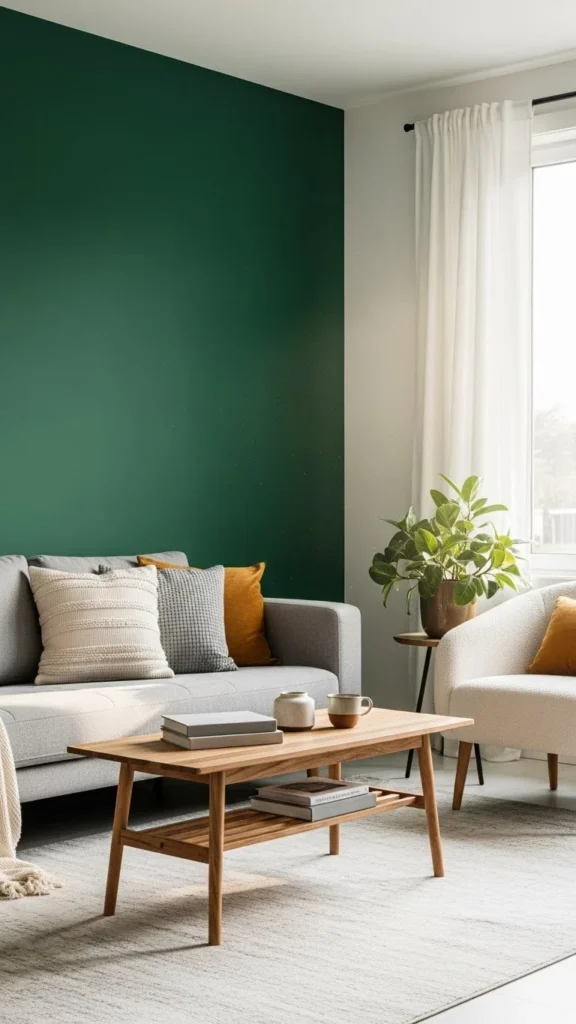
Whether you’re a DIY beginner or a weekend decor enthusiast, this guide will walk you through everything you need to know to paint an accent wall that truly transforms your room.
What Is an Accent Wall (and Why It Works)
An accent wall is a single wall painted in a different color, pattern, or finish than the rest of the room. It works because it:
- Creates a focal point
- Adds depth and visual interest
- Highlights architectural features
- Lets you experiment with bold colors safely
The key is intention. A well-planned accent wall looks stylish and cohesive—not random.
How to Choose the Perfect Wall to Accent
Not every wall deserves the spotlight. Picking the right one is crucial.
Best walls to choose:
- The first wall you see when entering the room
- A wall with a bed headboard, fireplace, or sofa
- A wall with built-in shelves or architectural details
Walls to avoid:
- Walls with too many doors or windows
- Short or awkwardly shaped walls
- Walls already visually busy
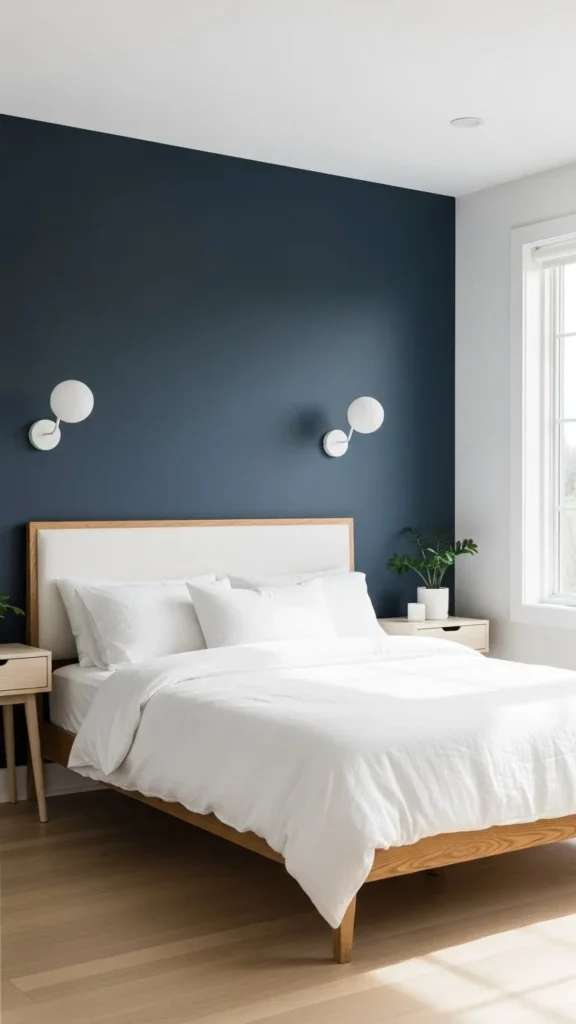
Pro tip: If you’re unsure, stand in the doorway and ask yourself, Where do my eyes naturally land?
Picking the Right Color for Maximum Impact
Color choice can make or break your accent wall. Instead of choosing randomly, think strategically.
Popular accent wall color ideas:
- Dark & Moody: Charcoal, forest green, navy
- Warm & Earthy: Terracotta, clay, muted rust
- Soft & Subtle: Dusty blue, sage green, greige
- Bold & Energetic: Mustard yellow, teal, coral
How to decide:
- Match undertones with existing furniture
- Use darker shades in larger or well-lit rooms
- Go lighter if the room feels small or dark
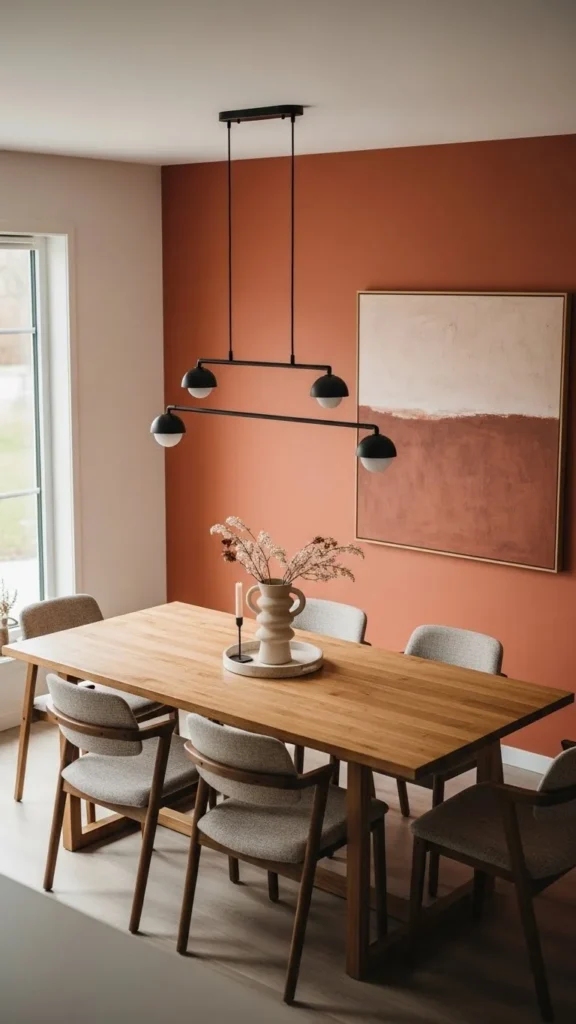
Pinterest-friendly rule: If it scares you a little, it’ll probably look amazing.
Tools and Supplies You’ll Need
Before you start painting, gather everything to avoid mid-project frustration.
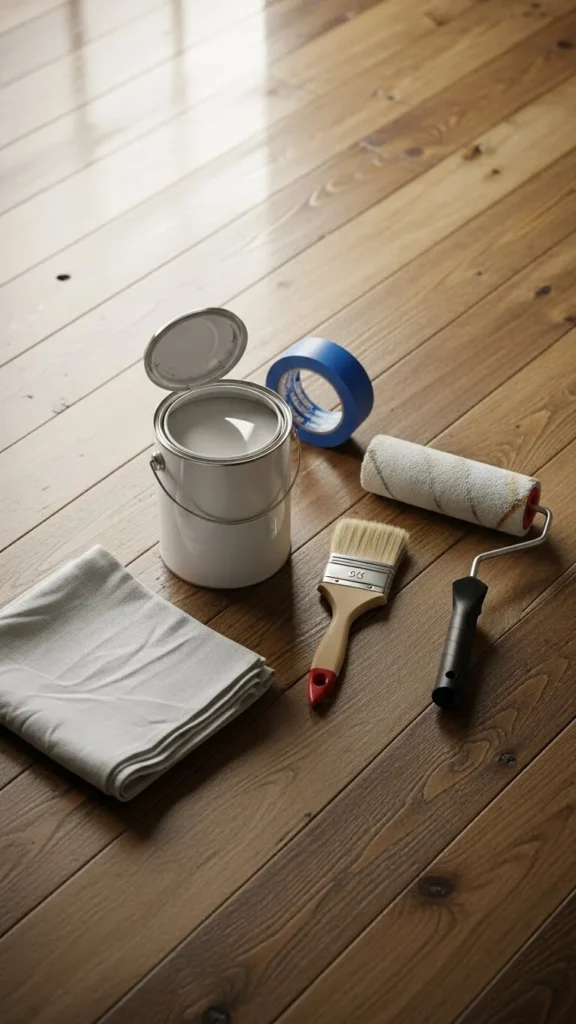
Basic supplies checklist:
- Interior wall paint (1–2 liters usually enough)
- Paint roller and tray
- Angled paintbrush for edges
- Painter’s tape
- Drop cloth or old sheets
- Sandpaper
- Damp cloth for cleaning
Step-by-Step: How to Paint an Accent Wall Like a Pro
Follow these steps for a smooth, professional finish.
1. Prep the wall
Clean dust and grease, fill nail holes, and lightly sand rough spots. A clean wall makes all the difference.
2. Tape edges carefully
Use painter’s tape around trim, ceilings, and adjacent walls. Press firmly to avoid paint bleed.
3. Start with the edges
Use an angled brush to cut in along corners and edges before rolling.
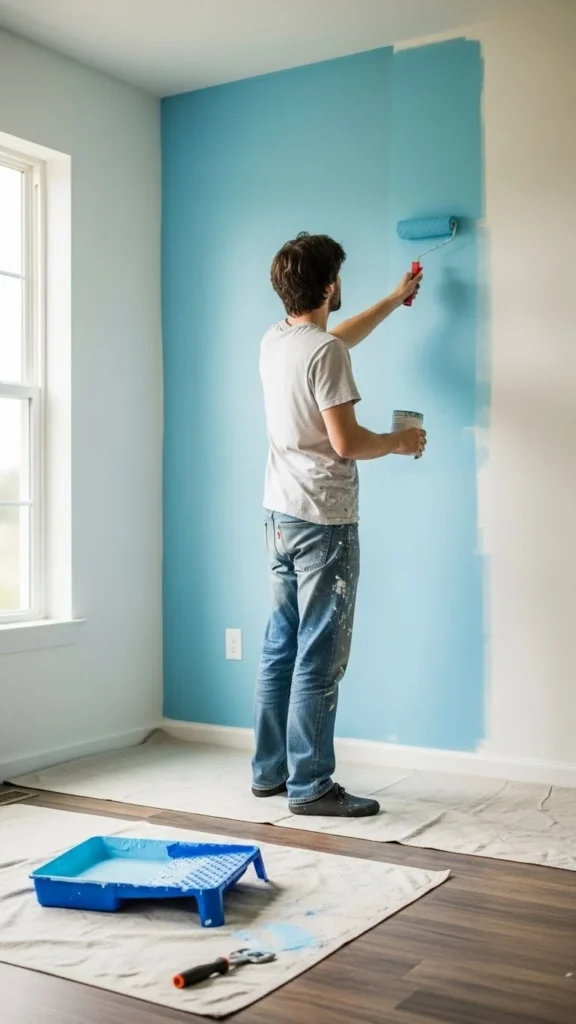
4. Roll in a “W” pattern
Apply paint evenly using a roller in a W or M motion. This prevents streaks.
5. Apply a second coat
Once the first coat dries, apply a second for richer color and even coverage.
Creative Accent Wall Ideas Beyond Solid Paint
Want to take things up a notch? Try these creative twists:
- Color-blocked sections
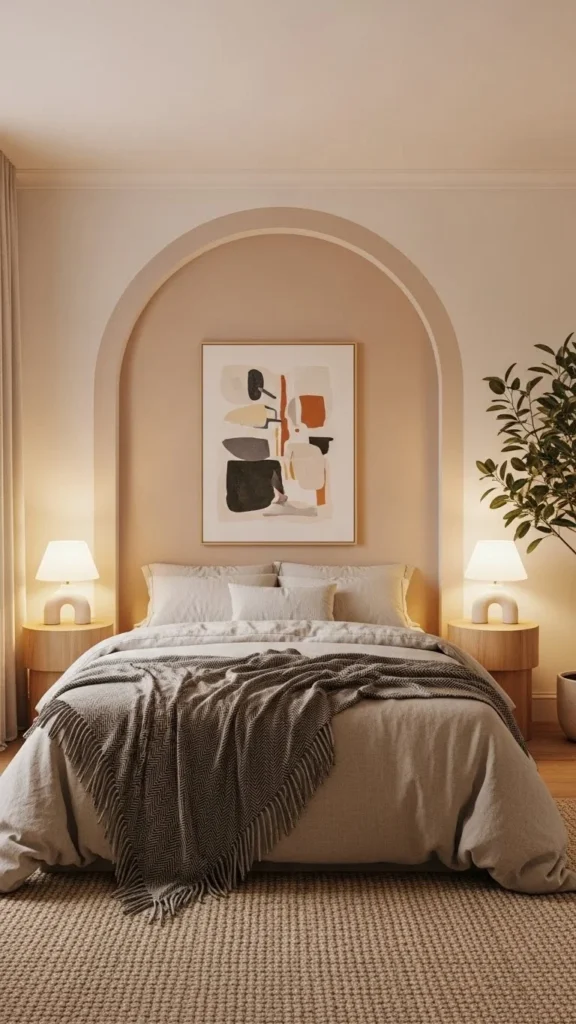
- Painted arches behind beds or desks
- Geometric patterns using painter’s tape
- Two-tone horizontal walls
- Faux limewash or textured finishes
These ideas work especially well in bedrooms, home offices, and living rooms.
Common Accent Wall Mistakes to Avoid
Even simple projects have pitfalls. Watch out for these:
- Choosing a wall that’s too small
- Ignoring lighting conditions
- Forgetting to test paint samples
- Using overly glossy finishes in bedrooms
- Clashing with existing decor
Always test a small patch and observe it throughout the day.
Final Thoughts: Small Change, Big Impact
Painting an accent wall is one of the fastest ways to refresh a room without a full makeover. With the right wall, color, and prep, you can completely transform your space in a single weekend.
✨ Your turn: Pick a color, grab a roller, and give your room the glow-up it deserves.
📌 Save this guide for later and come back when you’re ready to paint!

Leave a Reply