

Ever walk into a room that looks nice but somehow feels flat or unfinished? The missing ingredient is usually texture. Texture is what makes a space feel warm, lived-in, and inviting — the kind of room you want to curl up in and never leave. 🤍
The best part? Adding texture doesn’t require a full makeover. With a few smart layers and material mixes, you can instantly create depth and coziness.
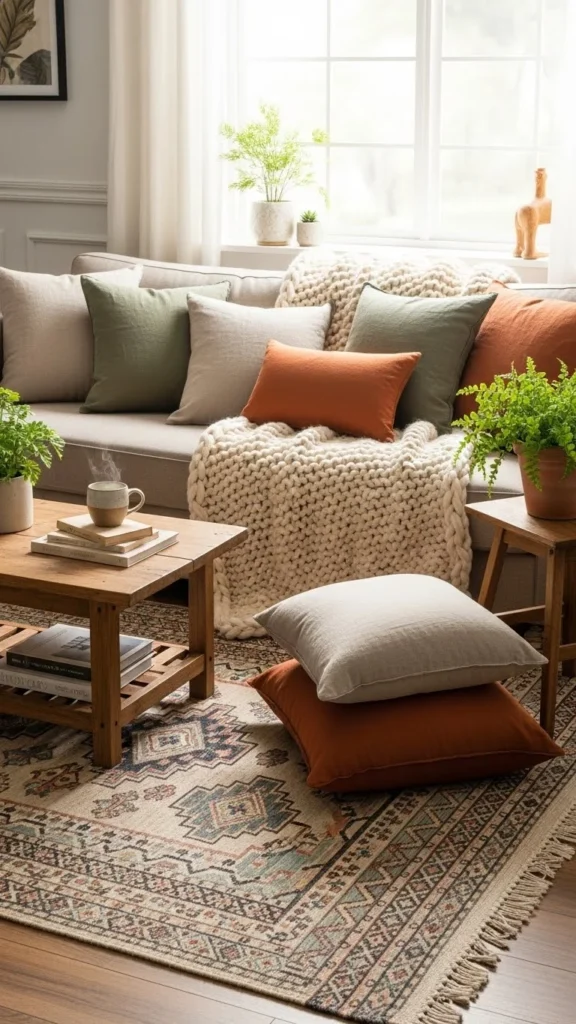
Let’s break down how to add texture like a designer — step by step.
Start With Soft Textiles (The Easiest Win)
If you’re new to decorating with texture, textiles are the easiest and most affordable place to start. They instantly soften a room and make it feel more welcoming.
Focus on:
- Throw pillows in different fabrics (linen, velvet, boucle)
- Cozy blankets or knit throws
- Curtains with visible weave or flowy fabric
- Area rugs with pile, pattern, or natural fibers
Mixing smooth and nubby fabrics creates visual interest without overwhelming the space.
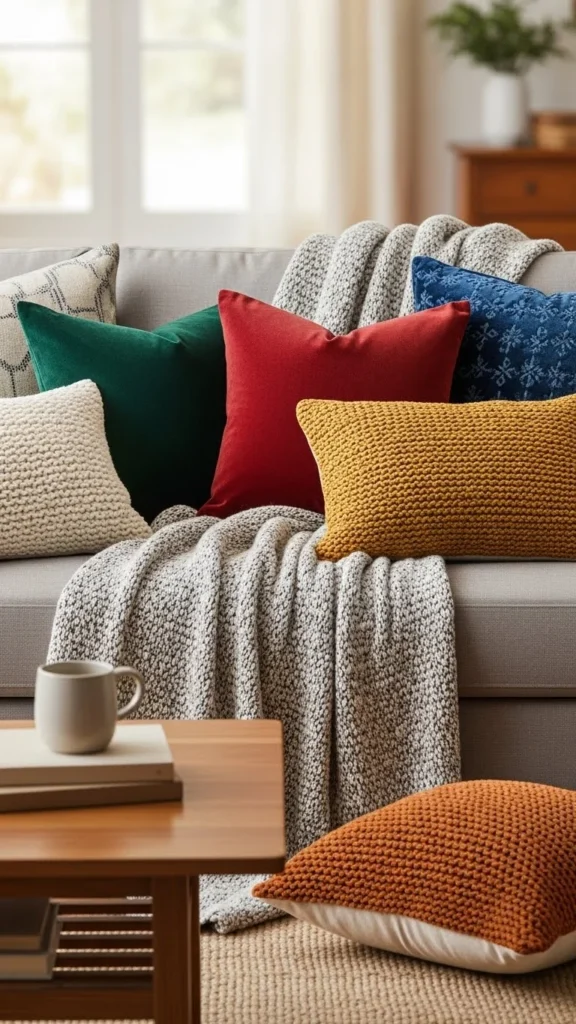
Tip: Stick to a cohesive color palette so the textures stand out without looking chaotic.
Layer Rugs for Instant Depth
Layering rugs is a designer trick that instantly adds dimension to a room. It works especially well in living rooms, bedrooms, and even dining spaces.
How to do it:
- Start with a large neutral base rug (jute, sisal, or flatweave)
- Layer a smaller patterned or plush rug on top
- Keep colors complementary, not matching
This technique adds warmth, contrast, and a collected feel — perfect for cozy interiors.
Bring in Natural Materials
Nature-inspired materials add organic texture that feels calming and timeless. These materials also help balance modern or minimal spaces.
Great options include:
- Wood furniture or accents
- Rattan, wicker, or cane
- Stone, ceramic, or clay decor
- Leather or faux leather details
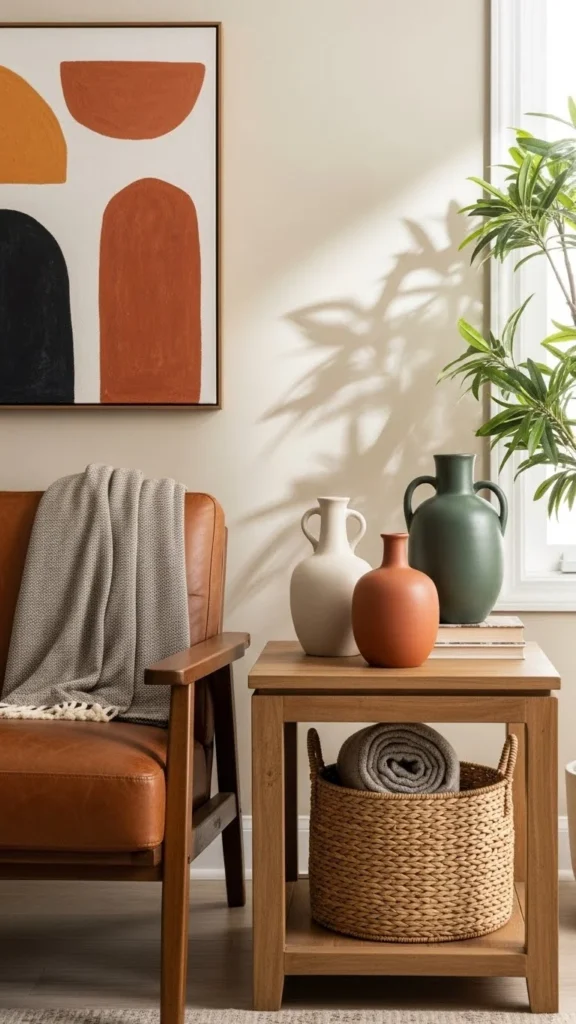
The mix of hard and soft textures keeps the room visually interesting while still feeling grounded.
Use Wall Texture Beyond Paint
Walls are often overlooked when it comes to texture, but they’re a huge opportunity to add depth.
Ideas to try:
- Textured wallpaper or grasscloth
- Wood paneling or beadboard
- Fabric wall hangings or tapestries
- Layered art frames in different materials
Even subtle wall texture can transform a space from plain to cozy.
No renovation? Hang oversized art, mirrors, or woven pieces to create visual texture without commitment.
Mix Finishes and Surfaces
A room feels flat when everything is the same finish. Mixing surfaces adds contrast and makes the space feel thoughtfully designed.
Try combining:
- Matte and glossy finishes
- Smooth surfaces with rough ones
- Metal accents with soft fabrics
Examples:
- A sleek metal lamp on a rustic wood table
- A glossy ceramic vase next to a woven basket
- A glass coffee table paired with a plush rug
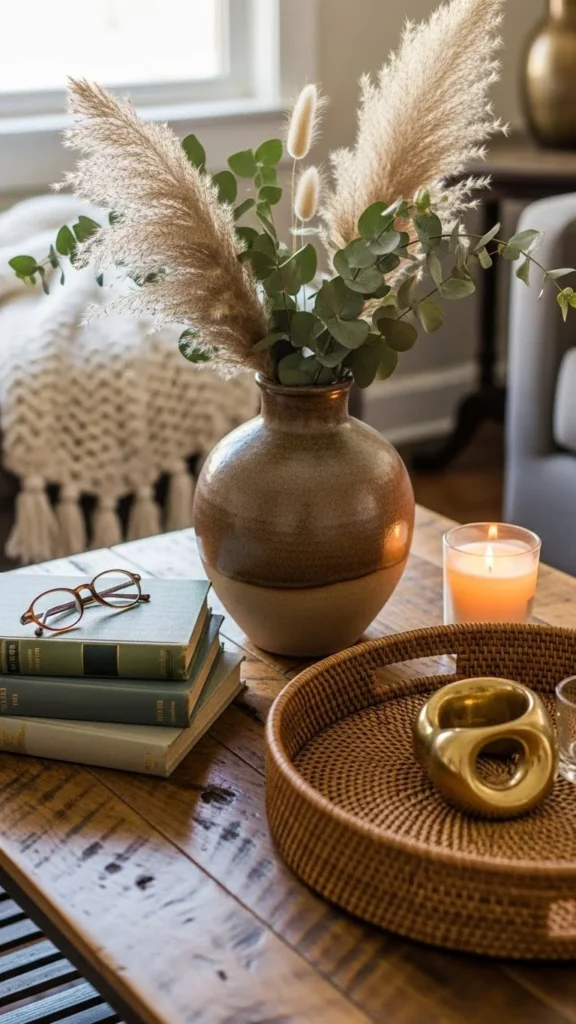
These subtle contrasts make a big impact.
Don’t Forget Greenery and Organic Shapes
Plants are one of the most natural ways to add texture. They soften clean lines and bring life into the room.
Use:
- Leafy floor plants
- Small potted plants on shelves
- Dried branches or grasses in vases
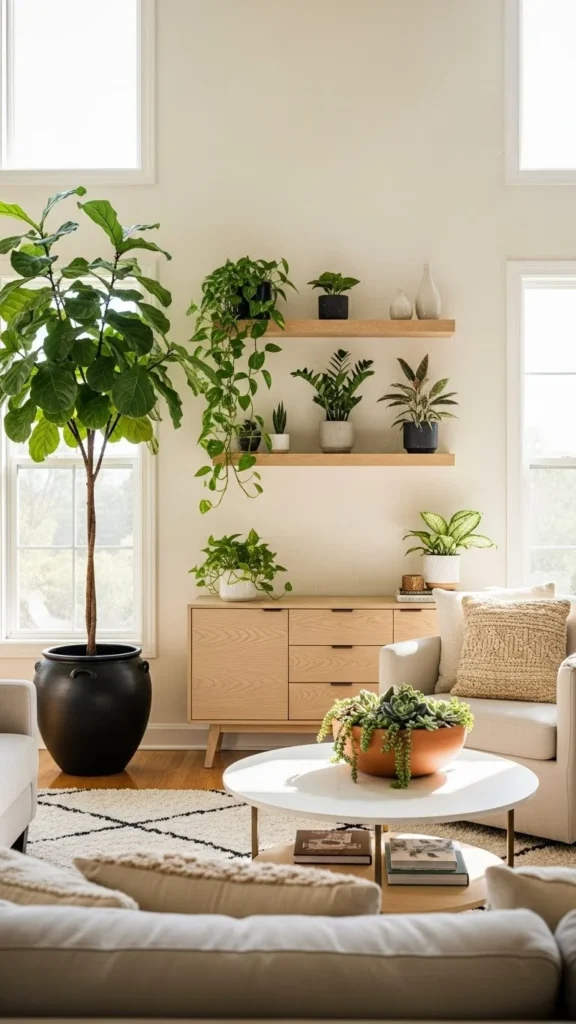
Even faux plants work if they’re high-quality and well-styled.
Final Takeaway
Texture is what turns a room from “decorated” into inviting. By layering textiles, mixing materials, adding wall interest, and incorporating natural elements, you can create a cozy, lived-in look that feels warm and intentional.
Start small, layer slowly, and trust your eye.
Save this guide for later and start adding texture to your space today! 🏡✨
Leave a Reply