

Well-styled shelves instantly make a room feel finished. But if your shelves look cluttered, awkward, or just “off,” you’re not alone—shelf styling is one of the trickiest decorating skills to master. The good news? Once you learn a few simple design rules, you can create shelves that look professionally styled without hiring a designer.
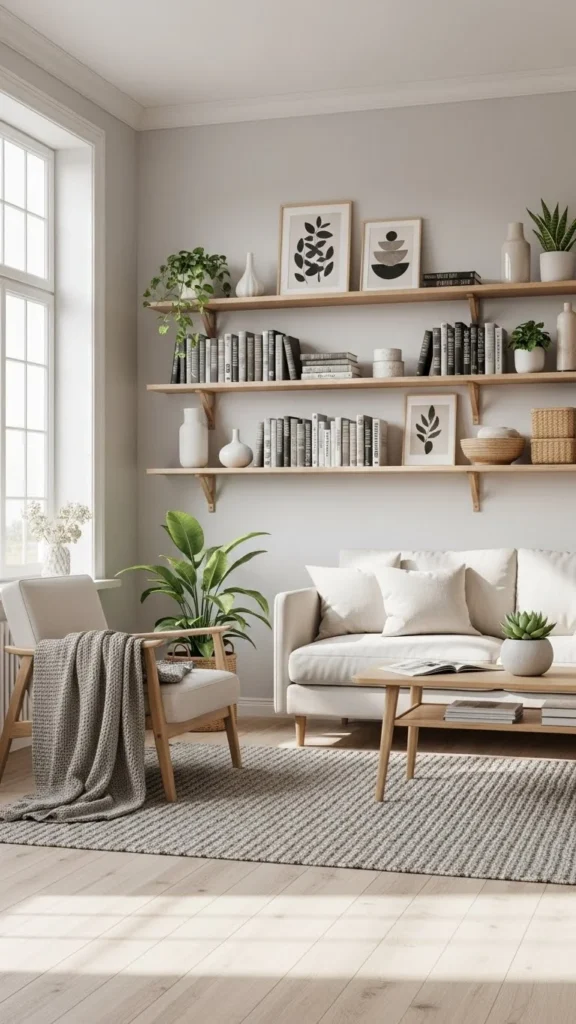
Let’s break down exactly how to decorate shelves so they look intentional, balanced, and Pinterest-worthy.
1.Start With a Clean, Empty Slate
Before you even think about styling, take everything off your shelves. Yes—everything. Starting fresh helps you see the space clearly and prevents over-styling.
This step allows you to:
- Let go of clutter
- Avoid forcing random items to work
- See how much space you truly have
Wipe down each shelf and notice the width, height, and spacing. These details will guide what you place where.
- Build Your Foundation With Books
Books are the backbone of great shelf styling. They add structure, height, and personality—all at once.
Style books in two simple ways:
- Vertically for height and order
- Horizontally for layering and balance
Mix both styles for the best result. Keep book colors within your room’s palette for a more polished look.
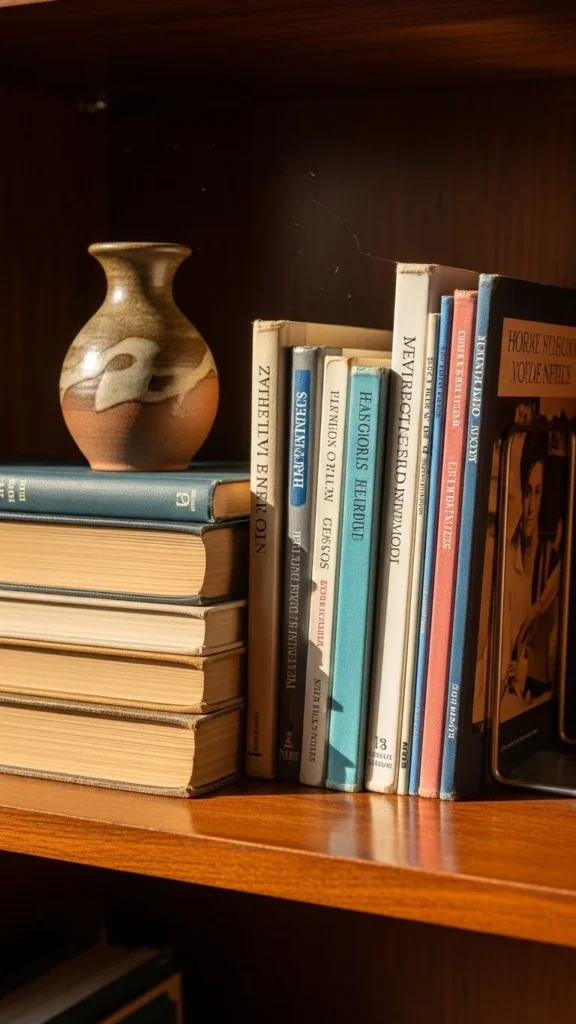
Don’t stress about matching titles—focus on color and scale instead.
3.Use the “Triangle Rule” for Balanced Arrangements
Professional stylists often use visual triangles to guide the eye across a shelf. Instead of placing items in a flat row, vary heights so your eye naturally moves up and down.
Each shelf should include:
- One tall item (vase, plant, framed art)
- One medium item (book stack, candle, box)
- One small item (decor object, bowl, photo frame)
This simple structure prevents shelves from looking stiff or flat.
4.Add Art for Depth and Personality
Shelves don’t need to hold only objects—art belongs there too. Leaning frames against the back of shelves adds depth and softness.
Great shelf art options include:
- Abstract prints
- Black-and-white photography
- Line drawings
- Soft landscapes
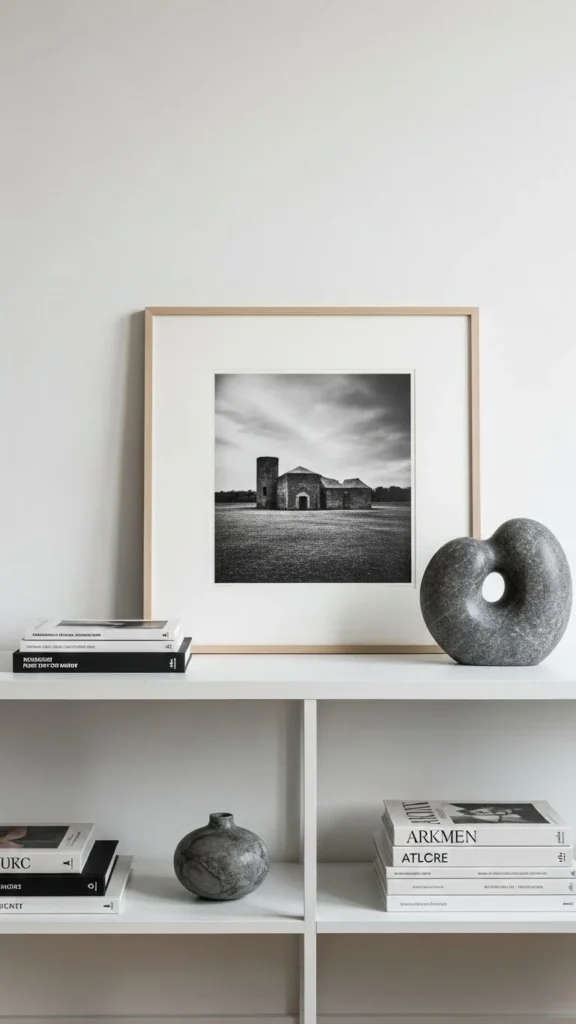
Vary frame sizes slightly, but keep finishes consistent (all wood, all black, or all gold) for a cohesive look.
5.Bring in Something Natural on Every Shelf
Natural elements keep shelves from feeling stiff or overly styled. They add warmth, texture, and movement.
Easy natural touches include:
- Small potted plants
- Trailing vines
- Dried florals
- Wooden beads
- Stone or ceramic accents
Even one plant per shelf can make a dramatic difference.
- Use Decorative Storage to Hide Clutter
Not everything on your shelves needs to be displayed. Some items are better hidden—and that’s where decorative storage comes in.
Smart storage ideas:
- Lidded boxes for cords and remotes
- Woven baskets for small clutter
- Matching containers for a clean look
Storage pieces should be beautiful enough to act as decor while quietly doing the hard work of organization.
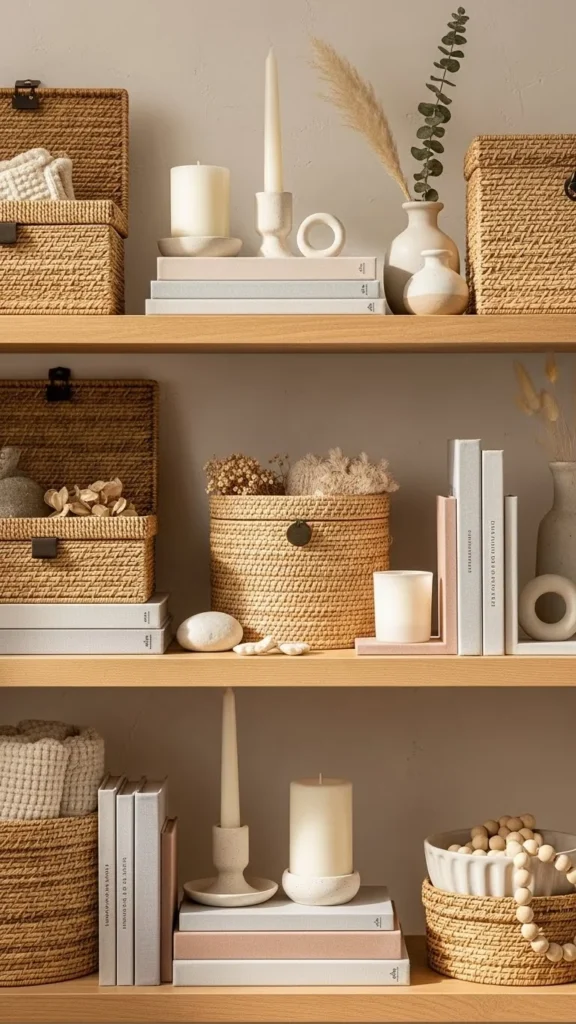
This is what separates “pretty” shelves from functional ones.
- Repeat Shapes and Materials for a Designer Feel
One secret to professional styling is repetition. When the same shapes or materials appear across multiple shelves, everything feels connected.
Try repeating:
- Round shapes (bowls, vases)
- Materials (wood, ceramic, metal)
- Colors (black, white, neutral tones)
This creates rhythm and flow instead of visual chaos.
- Leave Breathing Room (Negative Space Matters)
One of the biggest mistakes people make is filling every inch of shelf space. Designers always leave room for the eye to rest.
Give your shelves breathing room by:
- Leaving some sections intentionally empty
- Avoiding tiny clutter clusters
- Letting a few larger pieces stand alone
When everything has space, each item looks more important.
- Style in Layers, Not Flat Rows
Flat rows look stiff and store-like. Layered styling looks relaxed and high-end.
Layer by:
- Placing a frame behind a book stack
- Nesting a small object on top of books
- Overlapping items slightly
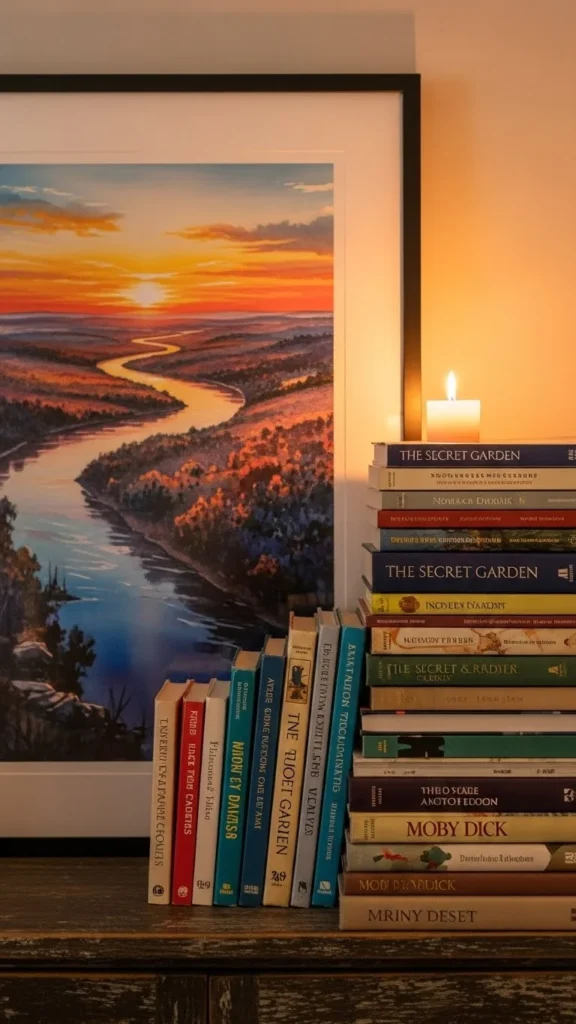
Think of your shelves like a soft collage—not a straight lineup.
- Step Back and Edit Ruthlessly
Once you’ve styled your shelves, walk away for a few minutes. Come back with fresh eyes and remove at least one item from each shelf if it feels crowded.
Ask yourself:
- Does this add beauty or function?
- Is it repeating too many shapes or colors?
- Does anything feel random?
Editing is what turns “nice” shelves into professionally styled ones.
Final Takeaway: Thoughtful, Balanced, and Personal Wins Every Time
Professionally styled shelves aren’t about expensive decor—they’re about balance, layers, and intention. When you combine books, art, natural elements, storage, and negative space, your shelves instantly feel elevated and cohesive.
You don’t have to redo everything in one day. Style one shelf at a time, adjust as you go, and trust the process.
Save this guide for later and give your shelves a designer-level glow-up today!
Leave a Reply