

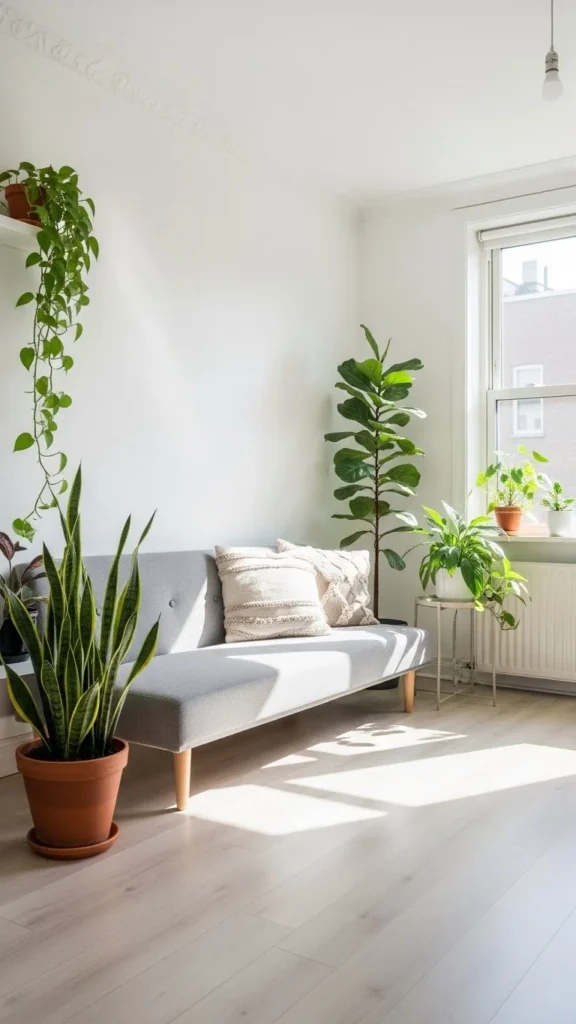
Decorating a minimalist home is all about creating a space that feels open, calm, and effortlessly stylish. Minimalism isn’t just about “less stuff”—it’s about making intentional choices that bring peace and function to your everyday life. Whether you’re starting from scratch or just decluttering your current space, this guide will help you design a home that’s clean, cozy, and modern.
1. Start with a Neutral Color Palette
The foundation of any minimalist home is a calming, neutral color palette. Think whites, creams, soft grays, and muted earth tones. These colors create a serene backdrop that allows your furniture and décor to shine without overwhelming the space.
- Stick to 2–3 main colors throughout your home.
- Use subtle accent shades like soft blush, sage green, or pale blue.
- Keep walls, large furniture, and rugs in neutral tones for a cohesive look.
2. Embrace Quality Over Quantity
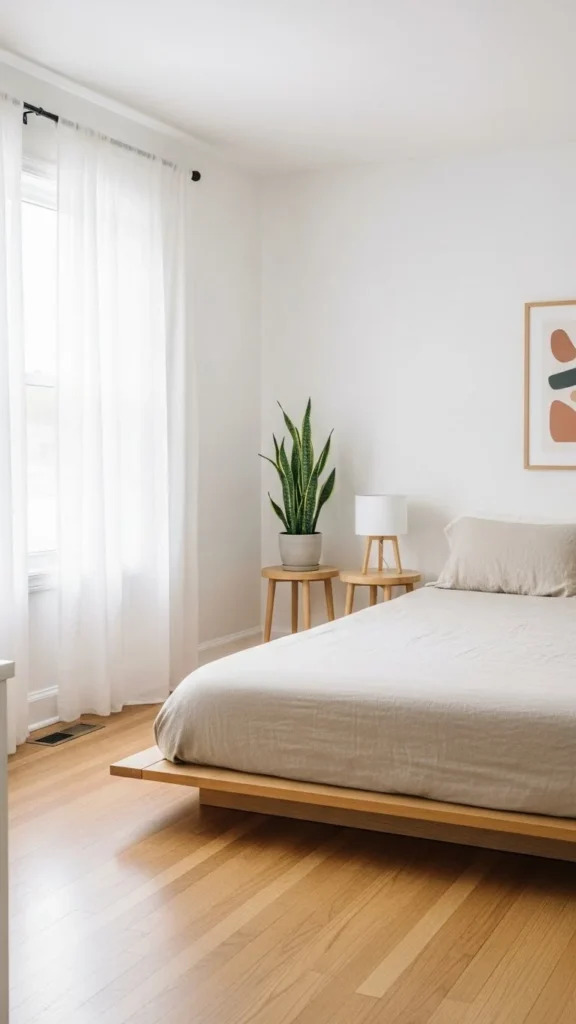
In minimalism, less is more—but quality matters. Invest in pieces that are durable, timeless, and multifunctional.
- Choose a sofa or bed that is comfortable, classic, and neutral.
- Opt for furniture with clean lines and simple shapes.
- Incorporate multifunctional items like storage ottomans or nesting tables.
3. Keep Décor Simple and Intentional
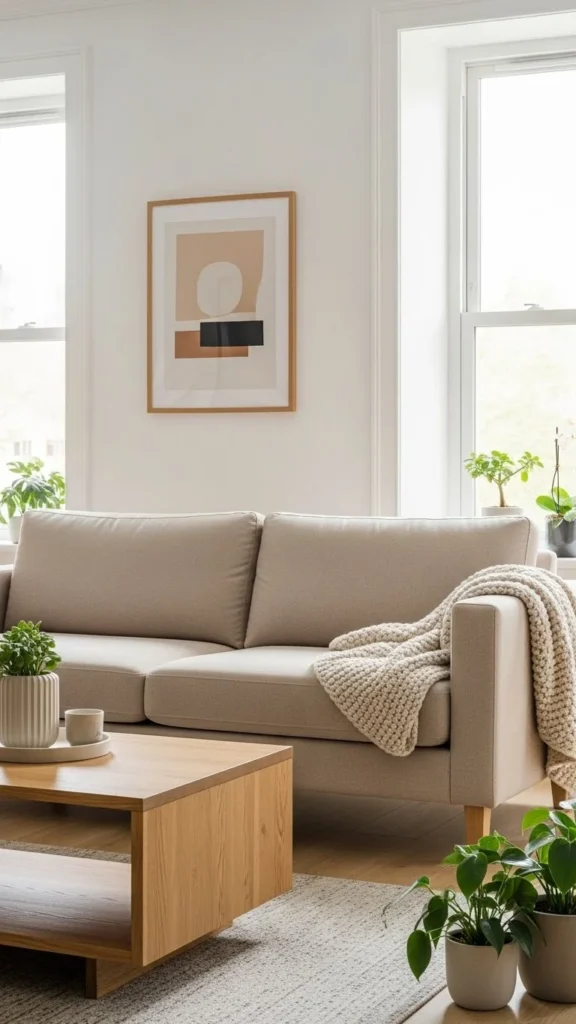
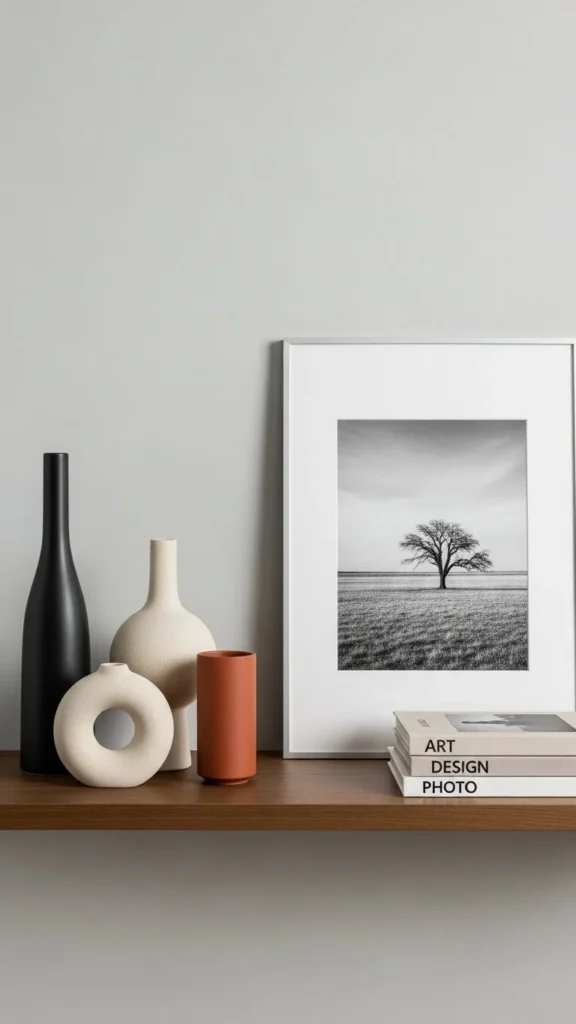
Minimalist décor is all about selecting pieces that spark joy and serve a purpose. Avoid clutter and focus on intentional accents.
- Use a few statement pieces, like a large piece of wall art or a sculptural vase.
- Display items that have personal meaning or aesthetic appeal.
- Rotate décor seasonally to maintain freshness without overcrowding.
4. Prioritize Open Space and Light
One of the hallmarks of minimalism is open, airy spaces. Maximize natural light and keep pathways clear to make your home feel spacious.
- Use sheer curtains or blinds to let sunlight in.
- Avoid overfilling rooms with furniture—leave breathing room.
- Place mirrors strategically to reflect light and create the illusion of more space.
5. Introduce Texture and Natural Elements
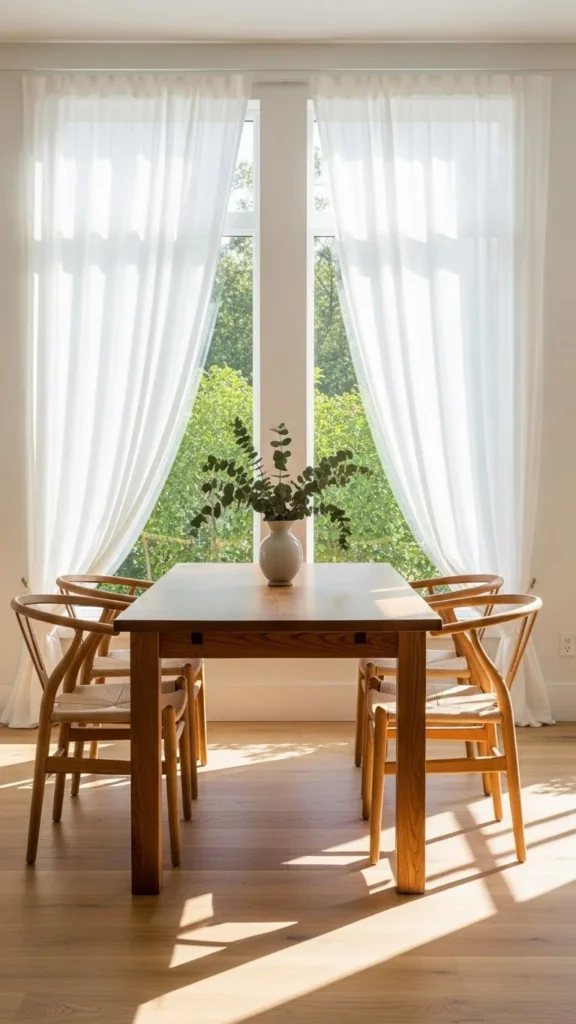
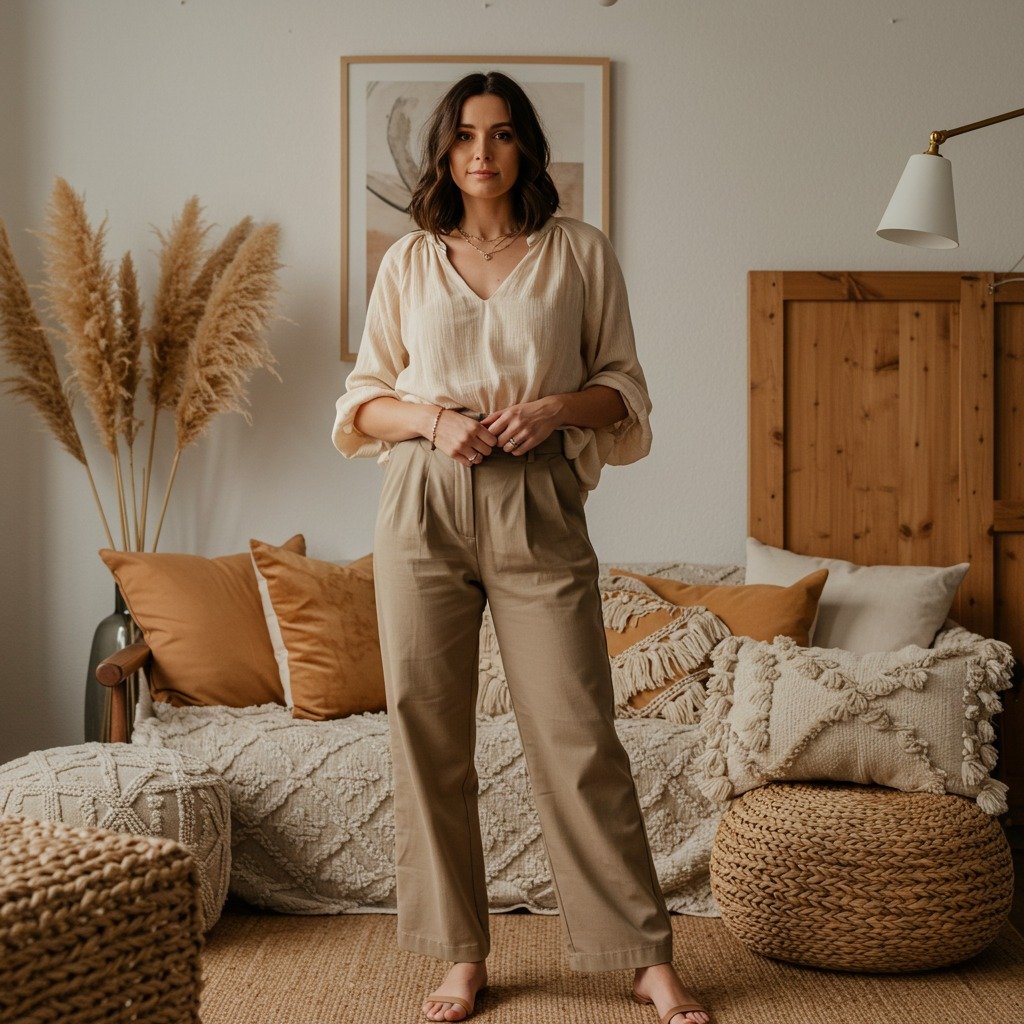
Minimalist homes don’t have to feel cold. Adding texture and natural elements creates warmth and visual interest without clutter.
- Layer different textures like linen, wool, and rattan.
- Add plants or small greenery to bring life into the space.
- Use natural wood, stone, or woven materials for furniture and accessories.
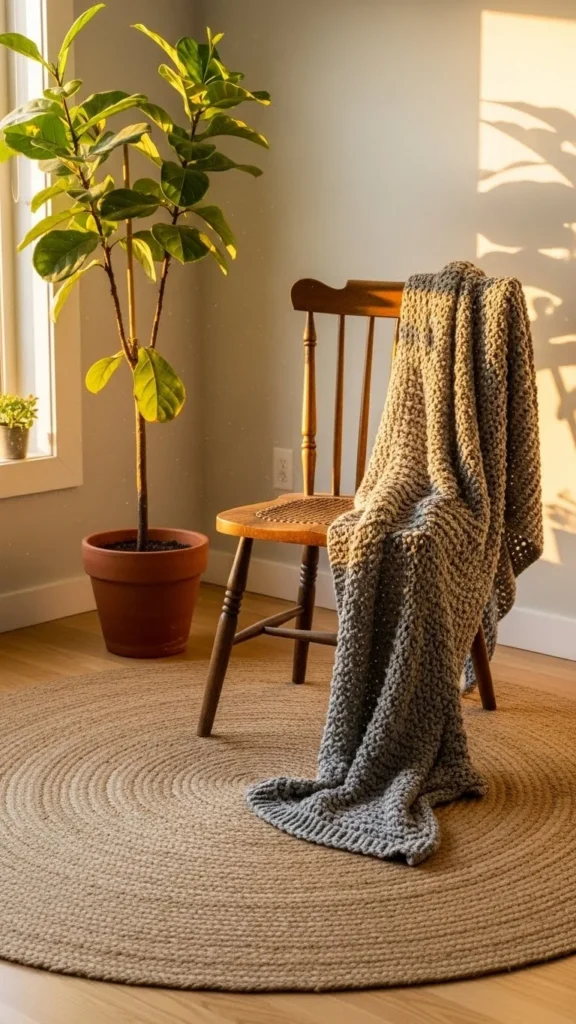
6. Organize with Smart Storage Solutions
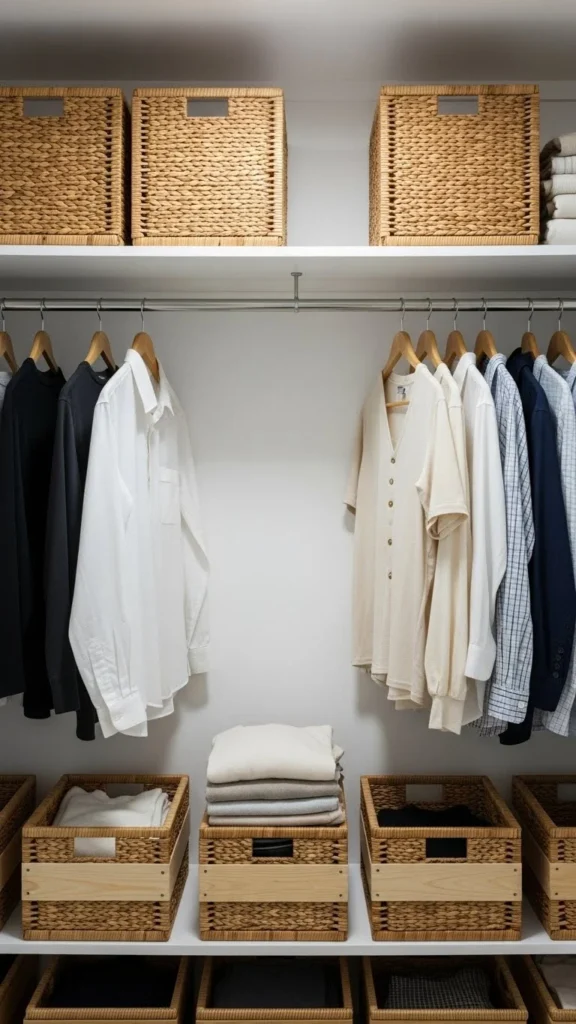
Clutter is the enemy of minimalism, so smart storage is essential. Keep everyday items out of sight and maintain a clean, streamlined look.
- Use built-in shelves, baskets, and hidden storage compartments.
- Maintain a one-in, one-out rule for new purchases.
- Label or organize storage discreetly to make tidying effortless.
7. Add Personal Touches Sparingly
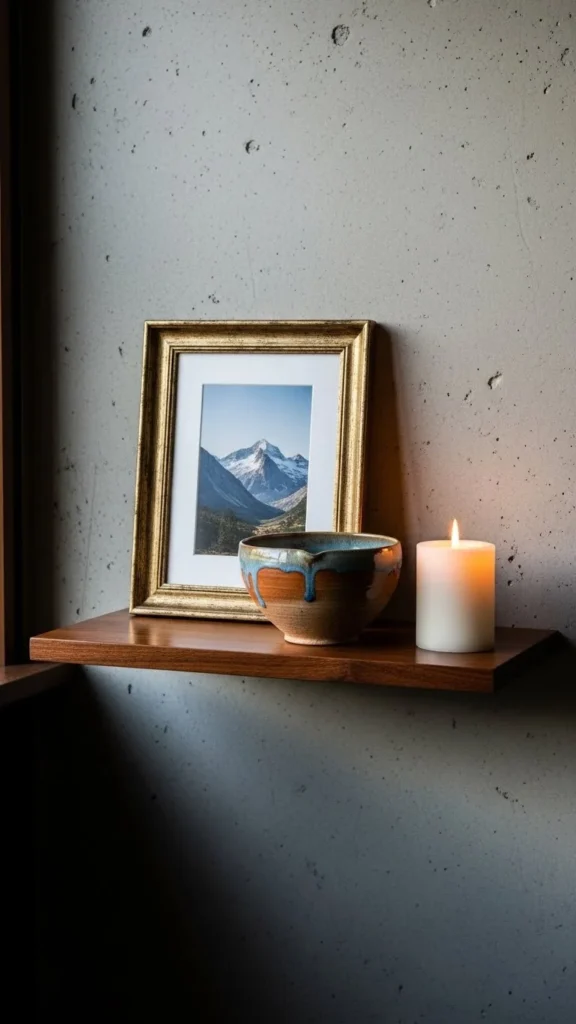
Minimalism doesn’t mean your home can’t feel personal. Include meaningful items—but keep it subtle.
- Showcase a few favorite photos or travel souvenirs.
- Use handmade or artisan items as décor accents.
- Keep personal touches in small, designated areas like shelves or side tables.
Conclusion
Decorating a minimalist home is about creating a space that feels calm, intentional, and beautiful without being overwhelming. Focus on neutral colors, quality furniture, purposeful décor, and open spaces. Every piece should have meaning, function, or both.
Transform your home into a serene haven, one thoughtful choice at a time.
Pro Tip: Start small—declutter one room, add one quality piece, and watch your minimalist vision come to life. Save this guide for inspiration as you design your peaceful, stylish home!
Leave a Reply